
Absolute Scenes
Nostalgia, sentimentality and what's good about getting your hands creatively dirty

I’ve been trying to puzzle something out. For as long as I can remember, I’ve used writing to untangle things. Whether that be free writing my way out of an emotional quagmire, teasing through conversations I’ve had, writing letters to people that I’ll never send to purge persistent frustrations or just wrestling with an idea, trying to articulate something feels like finally getting a knot out of a necklace or dislodging a seed from my tooth.
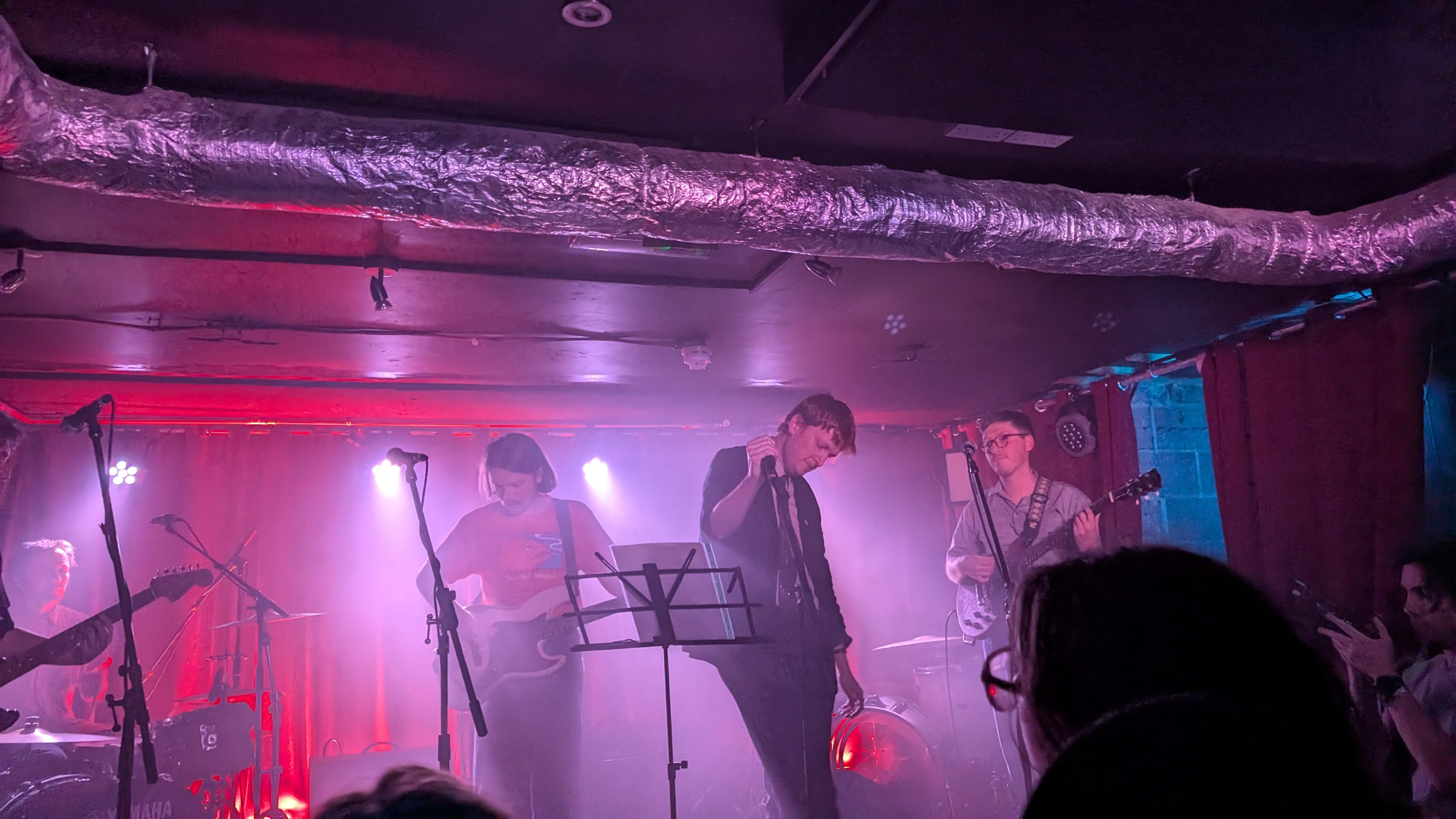
This works with talking with friends too, especially fellow writers, and some of my best writing will often come out of an illuminating conversation I’ve had with someone. In this case, it was a conversation with my friend Tilly. Earlier this year, we both went to a night in Quarry in Liverpool that friends (Klof) were putting on to celebrate New York 00s indie: ‘Meet Me in the Bathroom’. Playing Is This It by The Strokes start to finish, supported by All Maudra doing a Mouldy Peaches set, the night was a tribute to a time we all remembered. Talking to Tilly about it afterwards we were trying to figure out what made it so special. What had made it feel so real and so transporting?
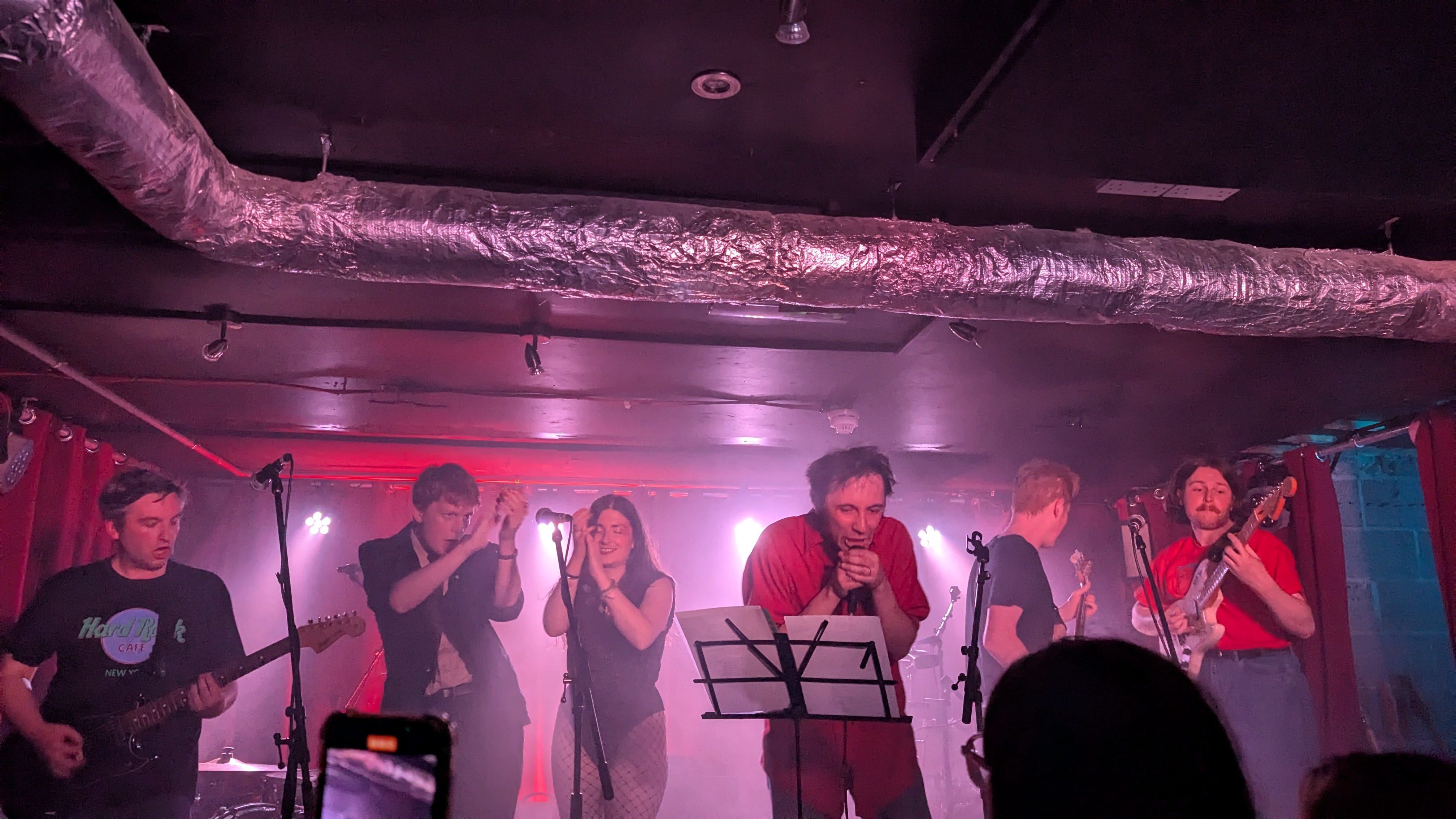
I’ve ruminated on this ever since. I’m generally someone preoccupied with nostalgia. I’m an extremely sentimental person: I still have place mats from bars in Paris from when I went with my Mum aged 15, my second ever holiday, at a time when I was a predictably francophile little indie girl obsessed with the film Amelie. I keep everything. As I’ve mentioned in previous posts, I often look back at old photos and old videos from gigs, repeatedly watching the clips I chose to capture, transporting me back to how excited I was to be hearing that song live finally.
I’ve always thought about the past but now, instead of fearfully trying to hold on to it as I was when I was younger, racked with a sense of urgency trying to remember everything, hold tightly to its details, it’s a fond perusal. I often look back warmly now, remembering even difficult times, when I was struggling with who I was and wrestling with feeling strange or out of place, with a sense of pride that I stuck with it, remained myself. Memories of those sticky, uncertain times of being a teenager now feel like pillars, seeds of who I ended up being, moments of exciting development, stalled and anxious though they were.
The conversation with Tilly was not just about that gig in particular but about scenes, about what it was like to grow up at that time, what made the intricacies and ideological scaffolding of those cultural moments so particular. Tilly is an amazing and inspiring writer and they’re dedicated to the analogue. Together we (mainly Tilly. I’m mostly glamorous assistant) run Scrub Zine and our friendship has been punctuated with folding, cutting up old copies of NME to make fan zines for nothing other than rekindling the joy of the tactility of fandom we remember from being teenagers. This burgeoning friendship has run alongside my increasing interest in what made that time when I was a teenager, that moment of fandom, so special.
And why was that night in Quarry so uniquely able to capture it again?
It’s this recapturing I’m trying to unscramble. This is what makes nostalgia so interesting to me. The etymology of nostalgia traces a history of uncompromised negativity. From the Greek algos meaning ‘pain, grief, distress’ and nostos meaning ‘homecoming’ or ‘to reach some place, escape, return, get home’ (Etymonline), it ends up being a state of malady, listed as an endemic disease in the Cyclopaedia of Practical Medicine of 1833. Like a lot of the language we use, its roots trace a colonial past, the homesickness listed as a medical condition being one we’d now talk about in a diasporic context. ‘Sailors, convicts, African slaves’ are amongst the worst sufferers listed in the Cyclopaedia, defining it as ‘the concourse of depressing symptoms which sometimes arise in persons who are absent from their native country, when they are seized with a longing desire of returning to their home and friends and the scenes of their youth’.
It comes as no surprise really that something so extreme, and culturally and class specific, has been sanitised into sentimentality. In some cases, we talk about nostalgia as something warm and fuzzy but the very foundations of this word are pain and the cruel impossibility of alleviating that pain. Looking at this, it makes sense that explicitly nostalgic parties, gigs, nights, celebrations, anniversaries have often felt painful. Attempts to resurrect something that could only ever be a failed, frankensteined recreation is always going to sting.
In 2022, I returned to Leeds for an anniversary party for Brudenell Groove, a night I’d gone to religiously in my final year of university. I was living with one of the party’s founding members then, the party’s birth happening just before I arrived back in September 2016 after a year abroad in Berlin. It was an incredibly special time. Bringing some of the most exciting DJs to Leeds, in two small staple venues now no longer with us: Hifi and Wire, complete with a ceiling so low your own sweat dripped back onto you in a fug, floors just the right level of sticky, and cans of Red Stripe and Ting in the fridges.
Being at these parties had the same feeling as being an emo at thirteen and an awkward indie girl at fifteen. However, being in my twenties meant I had the clarity to understand that I was experiencing a real moment in time, I was part of a scene that would potentially be talked about in the future; it sounds hyperbolic but it truly felt like witnessing history happening in real time. In The Boat That Rocked, Philip Seymour Hoffman’s character the count laments this realisation in himself:
‘You know, a few months ago, I made a terrible mistake. I realized something, and instead of crushing the thought the moment it came I... I let it hang on, and now I know it to be true. And I’m afraid it’s stuck in my head forever. These are the best days of our lives. It’s a terrible thing to know, but I know it.’
‘People will talk about Groove one day’ would often be muttered between jaw swings at an afters and, naive and fucked though we were, I still kind of believe they will.
Much like those other scenes from my youth though, what made it so special went far beyond just the music, the dancing or even the people. The alchemy of that particular time lay also in the age we all were, where we were in our lives, the last remaining absence of consequence of being young, and the ability to take an unspeakable amount of drugs and be relatively functional a day or two later.
The anniversary party felt exactly like tapping into the etymological blueprint of nostalgia: there was a restless itch and discomfort about the whole thing, ultimately stinging a little. There were several twinges felt on the night itself and the next day, travelling back to Liverpool. Why hadn’t we managed to recapture that feeling? The attempt alone had made me so sad and made me realise, by contrast, how irrevocable those moments were. That pivotal moment in my life, liminally caught between the end of university and the looming beginning of my Proper Adult Life, were the missing ingredients that meant the night didn’t sparkle like it had then. I was also not taking drugs anymore, some of my best friends from that time couldn’t make it, a few different people were now running the night, and it was in a different venue (legendary though it was in Hope House using the infamous Cosmic Slop sound system).
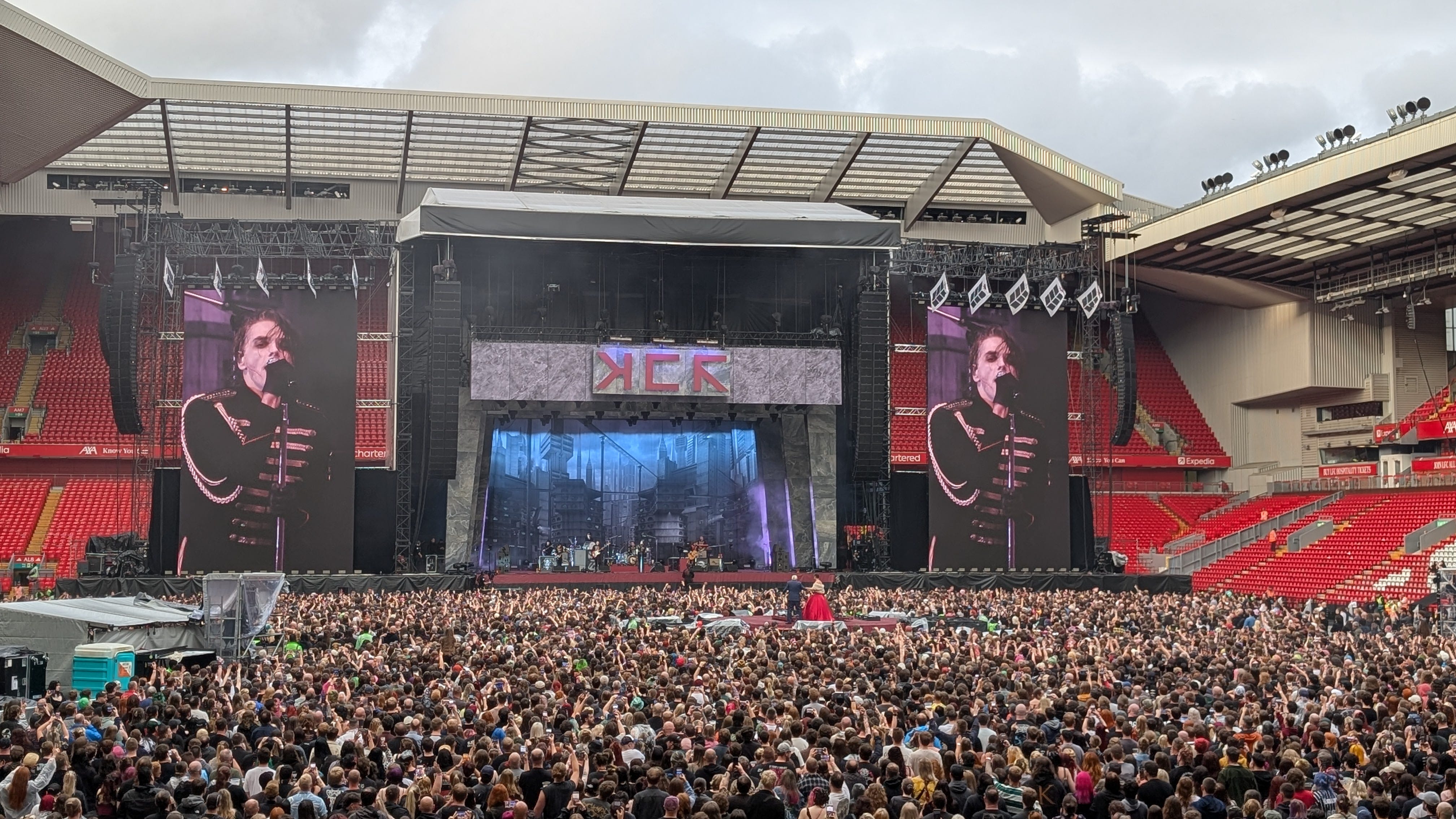
Fast forward to now and I’ve just been to see My Chemical Romance in Anfield. Now, I have to preface this by saying the band was unbelievable. I saw them with one of my best friends Rach who never got to see them at the height of our emo obsession when we were teenagers. There was a lot about that gig that felt like a homecoming rather than a desperate reach for an untouchable time. Being arm in arm with her, screaming the lyrics, hearing an entire stadium of people singing them too, felt like a healing, full-circle moment. But that twinge was still there.
When I was at the height of my teenage fandom I’d seen them in Liverpool Students’ Guild, a relatively tiny venue compared to the enormity of a stadium, in a room full of people who made me feel less alone, less weird, more comfortable about being the gawky teenager wrestling with myself and figuring out why I felt so out of sync with other people. Even that is complicated though. Standing with Rach in a nearby pub before going into Anfield I tried to articulate the pang I felt looking at a room full of other adults who’d held on to their weirdness. These people had seemingly also rekindled their inner teenager, whether they’d had a brief interlude of being ‘too cool’ for the band before listening to them again and taking ownership of the music that had shaped them. It felt hopeful to be around other people who were old enough to have been there the first time around. These people were also all being sentimental, even if ultimately painfully nostalgic, about the same band.
But it was never going to feel the same. And I still haven’t quite decided what exactly it was. There’s things I can point to: the same absence of context that made Brudenell Groove feel strange, no longer a teenager, no longer needing the reassurance of a crowd of people similar to me. The excitability and fandom that I was given a hard time for are now the things celebrated most by the people who love me (if you’ve got me talking about birds, fungi or bands I love, you’ll know how that wide-eyed wonder has only transmuted, even intensified, with age). It was in a stadium, not a tiny venue. It was explicitly an anniversary tour so built into the fabric of the show was the gap between now and when we’d all first heard The Black Parade. And, the time that yawned open between those two moments, had been enough for a new generation of fans to find the band. The crowd was replete with emo parents, bringing their kids with them, in the same phase we all were when we were going to some of our first gigs, fainting with excitement, crying in disbelief that that was actually My Chemical Romance on stage. There was also the realisation that there were definitely lots of people in the audience that were the same people I felt alienated from in school. The crowd was now full of the grown up kids that called us goths and kicked footies at our heads (shout out to the ‘goth corner’).
So, what was so different about the night at Quarry? Run by Klof, friends Ollie and Alex, members of Liverpool bands Gladness and Little Furry Things respectively, there was already a DIY intimacy to the gig just by virtue of it being run by people I know. The venue is small, renowned for its community spirit and platforming of local talent, a living-room vibe to the way it’s run and who’s there. Quarry has the same feeling as a night I went to called Mixed Bag when I was a teenager. It ran every Thursday in the basement of a dingy club, the only place in the city that played The Smiths, where you got a cross on your hand as a ‘stamp’ which you could forge with liquid eyeliner whenever you couldn’t afford the three quid to get in. You inexplicably got a free toasted crumpet with your drink which, I only learned recently, was because they knew we were all underage and didn’t want us to get too pissed too quickly. You could, without fail, always find people you knew there. We went every week. It was a scene. She was the moment.
That’s what ‘Meet Me in the Bathroom’ felt like. A scene. A moment. The same feeling of stumbling into an audience you knew, made up of people who were either already your friends or at least small clusters of interwoven people. Everyone knew everyone to at most one degree of separation. It was something about ownership. ‘Meet Me in the Bathroom’ felt like mine still, whereas the other occasions felt like something that had been handed over, inherited, making me feel slightly outside of two things that were, at the time, the only things alleviating that outsider status, that restless sense of misfitdom.
I’m not the only one thinking about this. Gen-zers are buying digital cameras. There’s a resurgence of zine making across the country with libraries popping up everywhere alongside workshops. Our own recent Scrub Zine one was heaving with people entranced by simple pleasure of glue sticks and communal foraging for tactile images. Myspace is rumoured to be coming back with an alternative to algorithm-driven social media platforms. There’s a hunger for the best bits of the past but rather than the nebulous, far-right frontier myth of an albion free of migration, this backwards look seems thirsty to challenge the issues of the present. Maybe we’re not sentimental or nostalgic. Maybe we’ve just figured out when the getting was good.
Find out more about Scrub Zine and how to get involved here.
Here’s the link for Klof again. Go to their next thing if you’re Liverpool based.
Absolute pleasure reading this, Jessie. Every time I read your pieces about music, I end up with a certain amount of envy at how intrinsic your sense of place is (Liverpool, Leeds, Paris, Berlin) to shaping your relationship with music and the community that surrounds your scenes. What a wonderful thing.
I wondered, what separates nostalgia from contentedness of the past? It's something known now that wasn't entirely known then, but it's also that knowing costing you. Like you said lifting from etymology, there's a grief and loss to nostalgia, even if to acknowledge the experience also feels good, to try and sit in the suspension of disbelief. Contentedness has less of that pain of the past, less cost to you and your community. Your point about class and structural impacts on lived experience feels apt there.
I often get very nostalgic looking back at images of my life in London. It had to come to an end: too expensive, too much of an impact of my wellbeing. But, God, do I miss the beauty of the good parts. Sometimes it's because we know it won't be the same again, or it gets nipped while the flower is still in bloom.
Lots of food for thought. Thank you for the lovely piece.